
Strong logistics experience from the past to the present.
Contact us to take advantage of our end-to-end logistics solutions immediately.
"the power behind your logistics…"
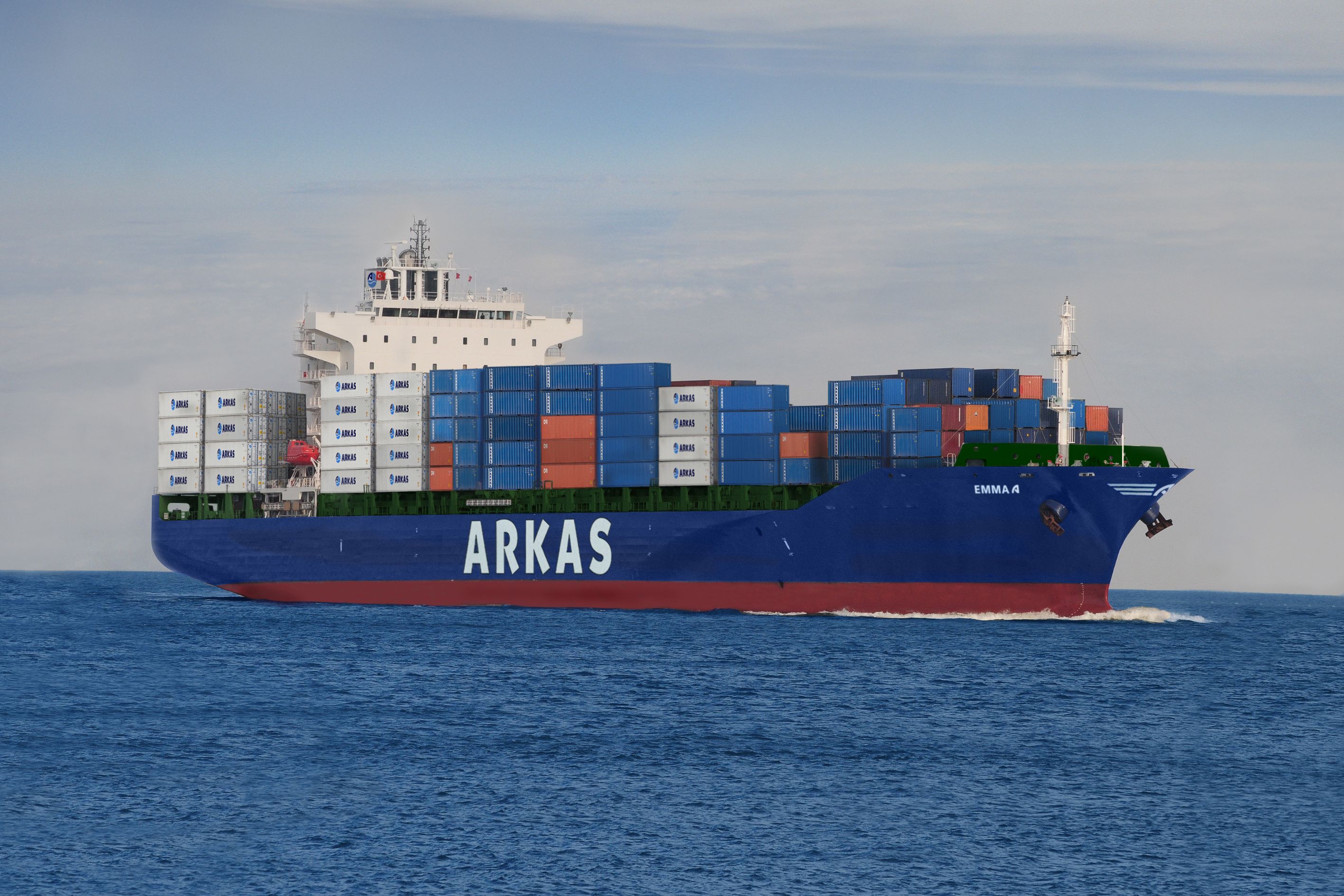
We provide transportation to the country and destination by air, sea and land.
We serve Turkey's leading 1500 large capitals.
We provide end-to-end multi-service in many areas.
We provide uninterrupted service to all our customers with our 2,000+ employees.






Why Arkas Logistics
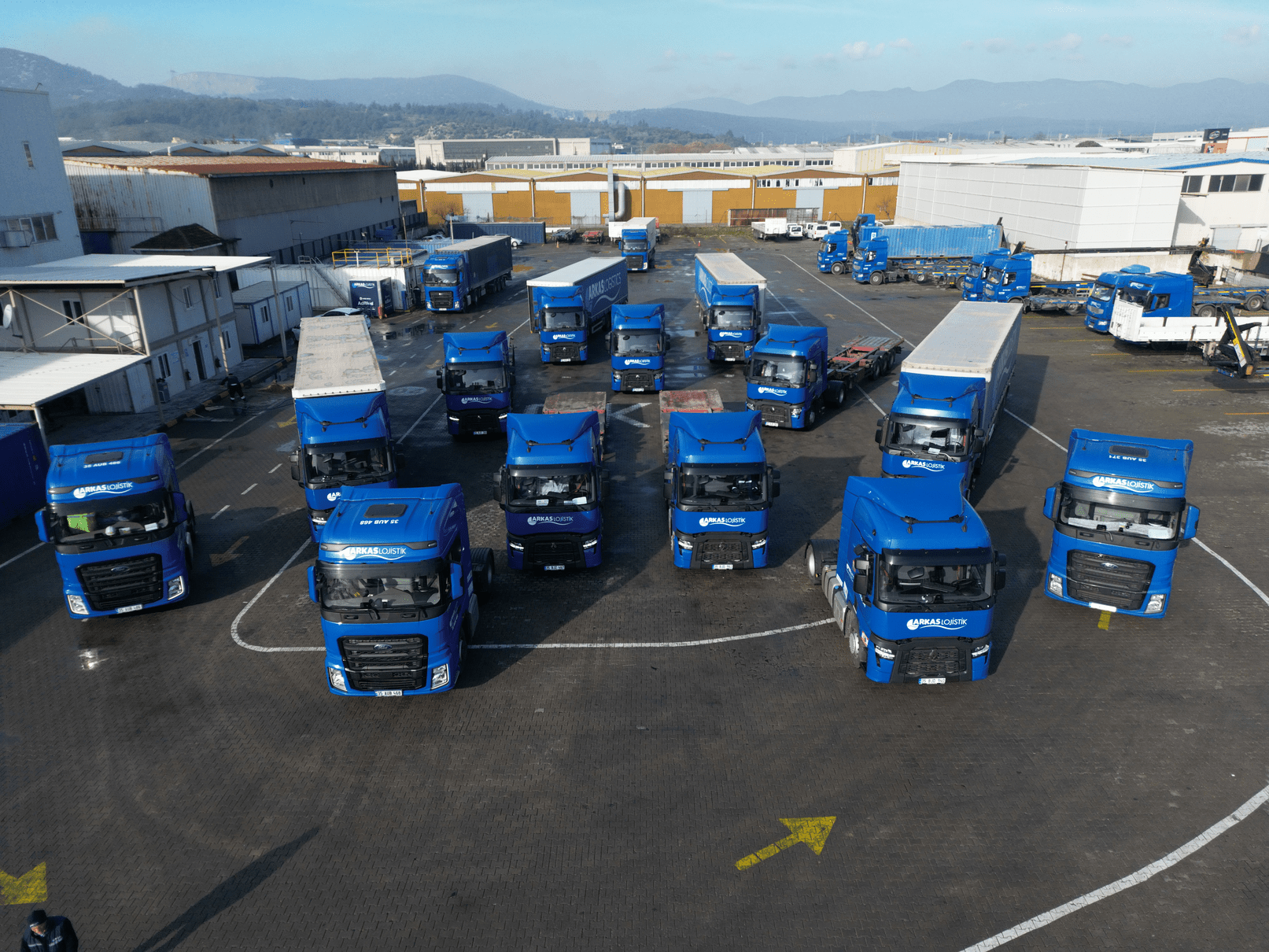
With our distinguished supplier network, we provide a wide range of services in complete, partial and project shipments.
We offer transportation solutions for your needs with our expert staff, and we provide a professional service with Arkas assurance.
In the complete transportation service, your cargo reaches its destination without loss of time such as transferring and waiting.
We work 24/7 with a high level of quality understanding and customer satisfaction.
Our Services
Railway
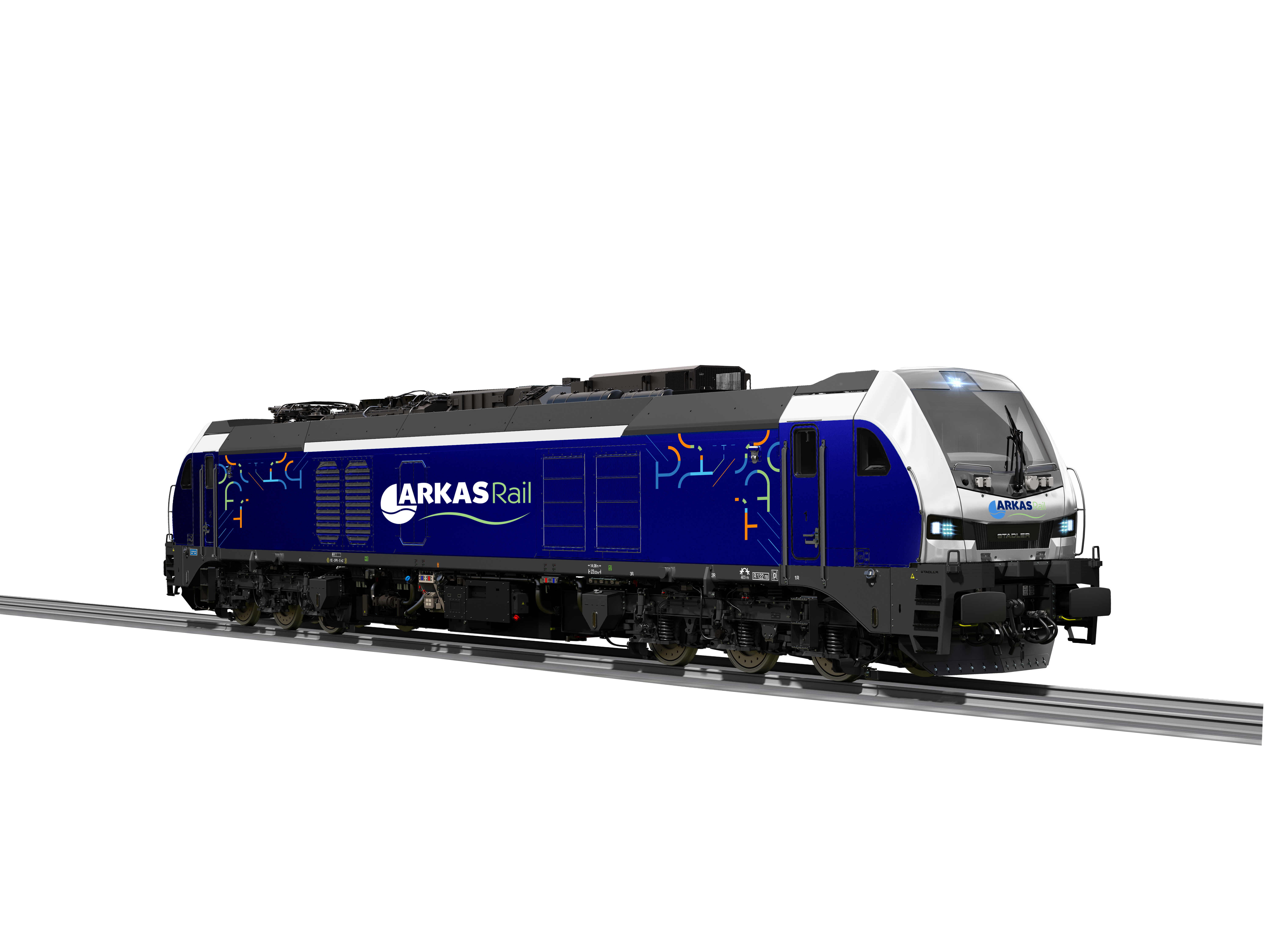
With more than 25 years of railway experience, we transport your load in an environmentally friendly way.

Airway
With our customer-specific solutions and strong agency network, we transport your load without any problems.
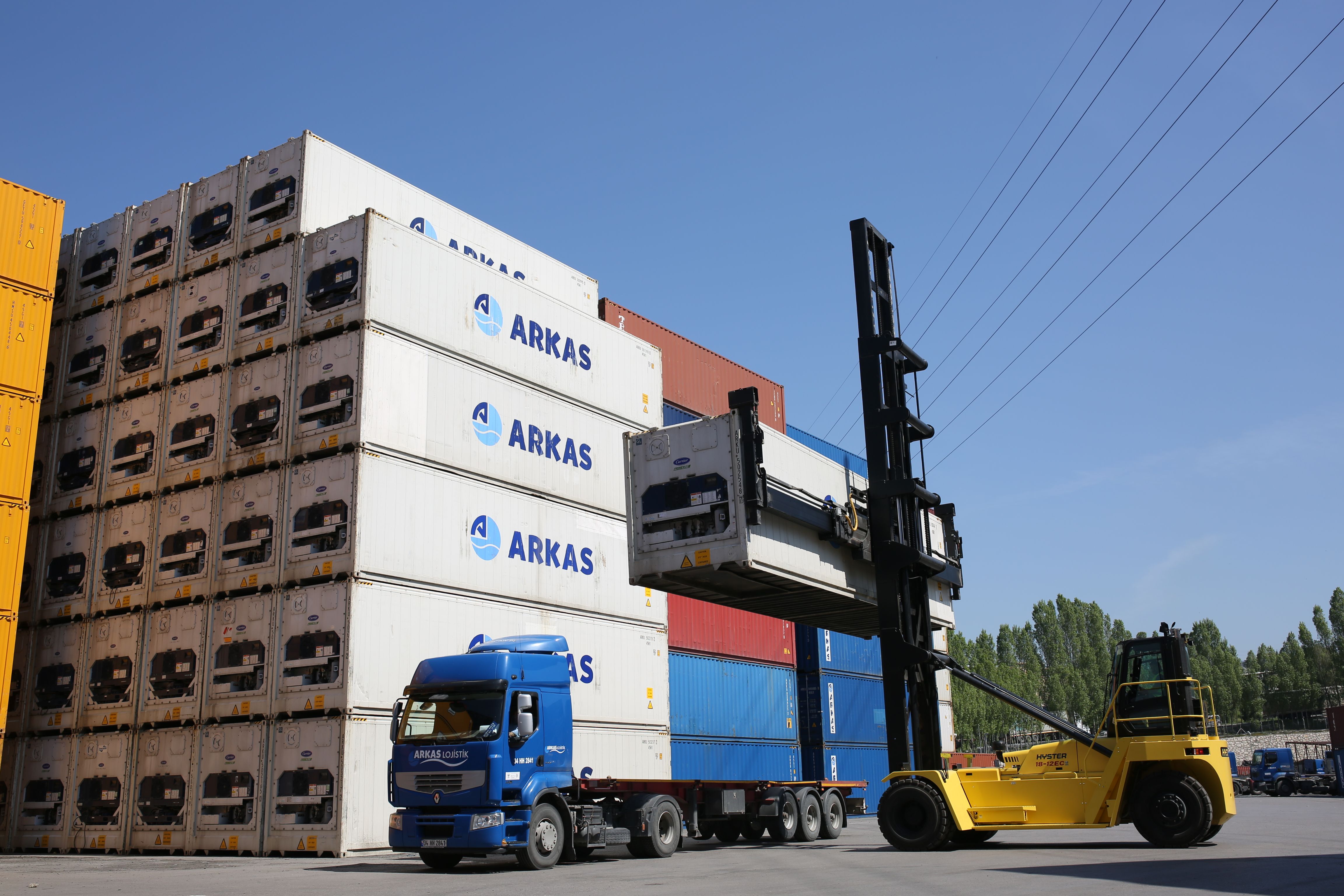
Warehouse Services
We serve our customers in 15 open warehouses in 9 cities and 12 closed warehouses in 6 cities with our operations specific to your needs.
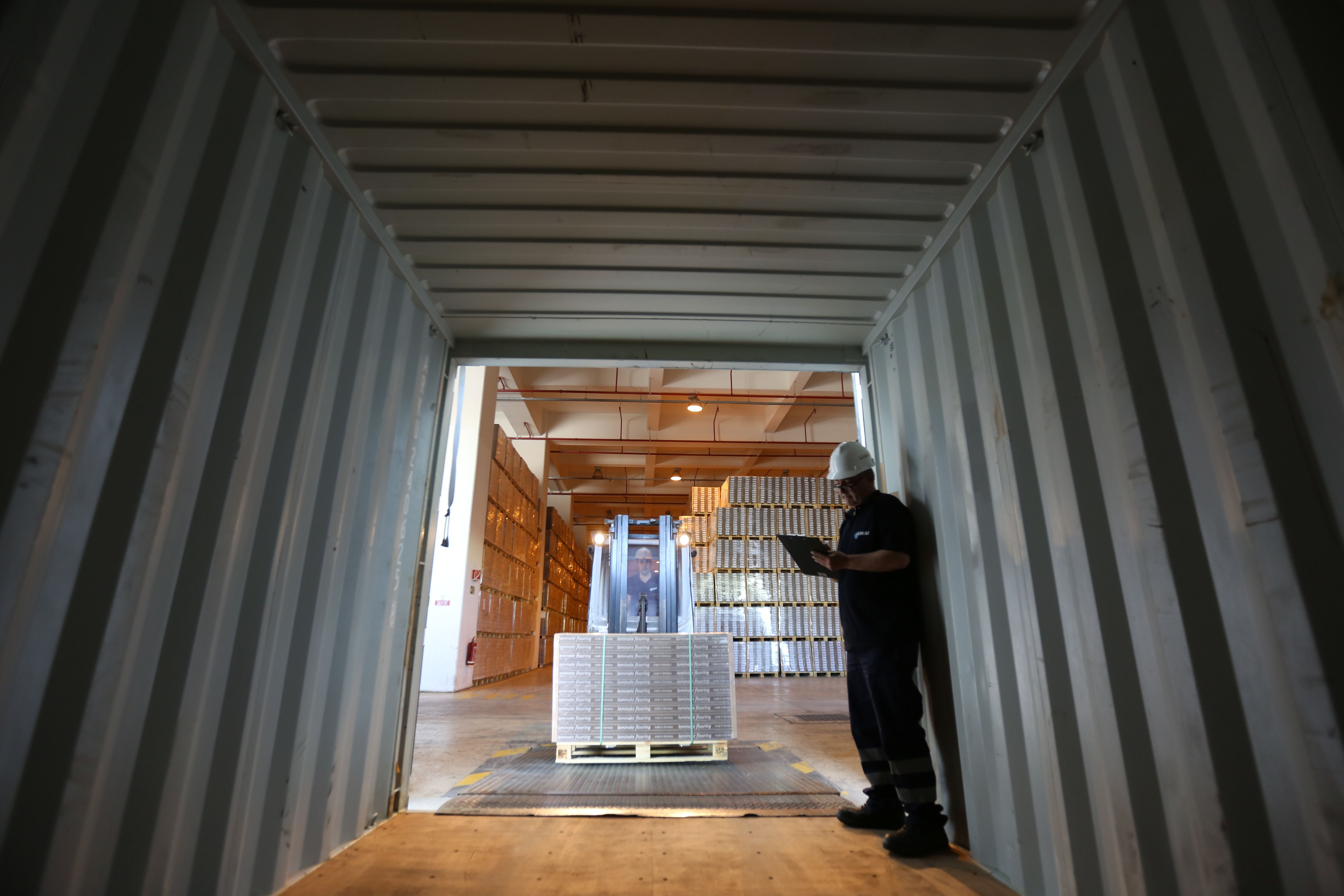
Project And Heavy Load
We produce special projects for your load with our creative logistics solutions.
All Services






Our History
Arkas Logistics was established in 1989, operating under the umbrella of Arkas Holding, one of Turkey's leading holdings. Arkas Logistics, which has been in the logistics industry for more than a quarter of a century, today offers combined sea, air, land and rail freight, open cargo and project shipments, forwarding and warehouse services.


Help
We provide support between 08.00 AM and 05.00 PM with our expert team. Click to get immediate support and contact us.
News
Important Information Regarding the Operational Continuity of Arkas Logistics Group
In light of the ongoing conflict and increasing security risks in the Middle East region, regional restrictions and operational adjustments are being implemented across international transportation routes. Within this framework, route changes, additional security controls, and transshipment planning have been activated on certain sea, air, and rail corridors.
However, we would like to emphasize that:
As Arkas Logistics Group, our operations continue uninterrupted. Alternative scenarios across all modes of transport have been activated, risk analyses have been updated, and operational continuity has been secured. Below, you may find the latest status updates regarding sea, air, and rail transport operations.
Sea Freight Operations
Vessels operated by Maersk, CMA CGM, and Hapag-Lloyd will continue their voyages via the Cape of Good Hope route. MSC has suspended Suez Canal transits and bookings to the Middle East region until further notice. We continue to closely monitor other carriers’ Suez Canal transits and will provide necessary updates accordingly.
Additionally, carriers have announced the implementation of War Risk Surcharges.
Air Freight Operations
Various restrictions and temporary suspensions are being experienced in air cargo operations. As a result, delays, rerouting, or cancellations may occur, and congestion may arise at certain transshipment hubs.
Operations are currently restricted or fully suspended until further notice at the following airports:
- Abu Dhabi Zayed International Airport (AUH)
- Amman Queen Alia International Airport (AMM)
- Baghdad International Airport (BGW)
- Beirut Rafic Hariri International Airport (BEY)
- Jeddah King Abdulaziz International Airport (JED)
- Dammam King Fahd International Airport (DMM)
- Doha Hamad International Airport (DOH)
- Dubai International Airport (DXB)
- Erbil International Airport (EBL)
- Hurghada International Airport (HRG)
- Karachi Jinnah International Airport (KHI)
- Kuwait International Airport (KWI)
- Medina Prince Mohammad bin Abdulaziz International Airport (MED)
- Muscat International Airport (MCT)
- Riyadh King Khalid International Airport (RUH)
- Sharjah International Airport (SHJ)
- Sharm El Sheikh International Airport (SSH)
- Tehran Imam Khomeini International Airport (IKA)
Rail Freight Operations
Our rail services from China to Türkiye and Europe via the Baku–Tbilisi–Kars (BTK) Railway Line continue without interruption.
As Arkas Logistics Group, we are managing this process in a controlled and resilient manner through our strong operational infrastructure, extensive agency network, and alternative routing capabilities. We continue to closely monitor developments and actively utilize all available resources to maintain operational stability.
All relevant updates and operational changes will be communicated to our valued business partners in a timely manner.
A Logistics Service Model in Offshore Wind Energy Systems Markets: The Case of Türkiye / Diane Arcas Göçmez
Preface: My motivation for this project stems from Türkiye’s strong position in onshore wind manufacturing, where it ranks fifth in Europe, and its significant 75 GW offshore wind potential at a time when energy demand is projected to rise by 67% by 2035.
Through Arkas Logistics’ involvement in onshore wind logistics projects, I have gained first-hand insight into the operational realities and structural gaps within renewable energy supply chains.
This project reflects my commitment to contributing to scalable and structured logistics solutions that can support Türkiye’s emerging offshore wind ecosystem.
Finally, I am deeply grateful to my husband, Onur Göçmez for his unwavering support, innovative ideas, and real-life logistics expertise throughout this journey.
From Concept to Practice: Designing Demand-Oriented Logistics Service Models for Emerging Offshore Wind Markets – A Readiness-Adaptive Modular Logistics Service Model: The Case of Türkiye
Offshore wind (OW) is increasingly recognised as a strategic pillar of global energy transition, with rapid capacity expansion placing increasing pressure on maritime, port, and logistics systems. While mature OW markets have developed highly integrated logistics ecosystems, emerging markets face structural gaps that can significantly constrain project feasibility, cost efficiency, and investor confidence. Türkiye represents such a case: despite strong industrial, shipbuilding, and onshore wind manufacturing capabilities, its OW industry remains at an early stage, with logistics readiness constituting a critical bottleneck.
This project examines how logistics service models can support the development of the country’s industry by aligning domestic logistics capabilities with demand-side stakeholder expectations (hereafter referred to as ‘’stakeholders’’ unless the full designation is required for analytical emphasis) namely utilities, developers, original equipment manufacturers (OEMs), and Engineering, Procurement, Construction and Installation (EPCI) contractors. Rather than treating logistics as a purely operational or asset-based function, the study reframes logistics as a strategic, service-oriented capability that directly influences installation lead time, schedule reliability, and levelized cost of energy (LCOE) in offshore wind projects (OWPs).
The study adopts a qualitative, desk-based single-case study design, grounded in a pragmatist research philosophy and an abductive approach. It synthesises international offshore wind logistics (hereafter referred to as ‘’logistics’’ unless the full designation is required for analytical emphasis) literature with Türkiye-specific secondary data, including industry reports, policy documents, and institutional studies. The analytical focus is placed on the installation phase, identified in the literature as the most logistics-intensive and cost-sensitive stage of OWPs.
International analysis identifies six recurring logistics challenge themes:
(1) weather and environmental uncertainty,
(2) port infrastructure and capacity constraints,
(3) vessel availability and load optimisation,
(4) supply-chain coordination complexity,
(5) cost efficiency and installation time sensitivity, and
(6) data readiness and digital integration.
From these challenges, the study infers universal stakeholders’ expectations for which the most critical include early logistics involvement at the Front-end engineering design (FEED) stage, access to heavy-lift ports and installation vessels, end-to-end coordination, digital decision-support systems, and demonstrable cost-reduction capability.
A comparative synthesis with the national context reveals a structural mismatch between these expectations and current domestic logistics readiness. While the country benefits from a strong manufacturing base, capable shipyards, and strategically located ports, gaps remain in offshore-ready port infrastructure, turbine-class installation vessels, integrated coordination mechanisms, and interoperable digital systems. Risk and key performance indicators (KPI) analysis classifies port readiness, coordination, cost efficiency, and digitalisation as high-risk dimensions, with weather and vessel availability posing moderate-to-high risks under current conditions.
To address this mismatch, the project develops a Readiness-Adaptive Modular Logistics Service Model, adapted from Tiwong et al.’s (2024) Logistics Service Provider Lifecycle Model. The proposed framework structures offshore wind logistics services across three lifecycle phases:
Beginning of Life (BOL) – service creation, FEED-stage integration, strategic positioning, and relationship building.
Middle of Life (MOL) – operational and financial performance management using KPI-based risk assessment.
End of Life (EOL) – service lifecycle performance evaluation, learning, and service reconfiguration.
The model’s modular and adaptive logic allows logistics service providers (LSPs) to operate effectively under uneven national readiness conditions while progressively building capabilities toward more integrated 4PL/5PL-type roles. It provides a practical pathway for aligning service design with stakeholder expectations, national constraints, and long-term competitiveness.
Academically, the study contributes by explicitly conceptualising offshore wind logistics as a service model, addressing the demand-side expectations gap in existing literature and demonstrating how frameworks derived from mature markets can be adapted to emerging contexts. Practically, it offers guidance for LSPs, stakeholders, ports and vessel suppliers, and policymakers on how logistics readiness can be strengthened through integrated service design rather than isolated infrastructure investments.
Overall, the study concludes that Türkiye’s OW potential cannot be realised through physical assets alone. Strategic, demand-oriented logistics services, supported by phased capability development and digital integration, are essential to reduce risk, improve project bankability, and enable sustainable growth of the industry.
Arkas Heavy Receives Gold Medal from EcoVadis
Arkas Heavy, operating under the umbrella of Arkas Logistics Group, has been awarded a gold medal by EcoVadis, one of the world’s most reputable sustainability rating platforms. This significant achievement marks the international recognition of Arkas Heavy’s strong commitment to sustainability, ethical governance, and responsible business practices.
Operating in more than 175 countries and across over 200 industries worldwide, EcoVadis evaluates companies based on comprehensive criteria covering environmental impact, business ethics, human rights, sustainable supply chain practices, and social responsibility. Arkas Heavy’s qualification for the gold medal demonstrates the company’s systematic and holistic approach to Environmental, Social, and Governance (ESG) practices. In the EcoVadis rating system, the gold medal signifies that a company ranks among the top-performing organizations assessed.
Arkas Heavy prioritizes not only technical excellence but also sustainability principles in its heavy lifting and project cargo operations. The use of energy-efficient equipment, initiatives aimed at reducing carbon footprint, safe working environments, and a transparent management approach are among the core elements of the company’s sustainability vision. This approach aims not only at operational success but also at creating long-term social and environmental value.
Arkas Heavy aims to continue its efforts in the coming period to reduce environmental impacts, expand social responsibility initiatives, and strengthen ethical governance practices. Acting in collaboration with all its shareholders in line with its vision of a sustainable future, the company will continue to promote responsible and environmentally friendly practices in the heavy lift transportation sector.
Arkas Heavy’s EcoVadis award reinforces the company’s global competitiveness while clearly demonstrating its strong commitment to sustainability to its customers, business partners, and shareholders.
Arkas Logistics Establishes an Operations Center in Egypt
Arkas Logistics Group is strengthening its presence in
Egypt through strategic investments and operational initiatives. The Logistics
Group has established an operations center in Alexandria. The newly established
center will monitor the operational processes of Arkas Logistics’ overseas
offices, with a focus on speed and customer satisfaction.
Onur Gocmez, President of Arkas Holding Logistics Group, along with accompanying executives, carried out a series of meetings and visits in Egypt.
New Operations Center in Alexandria
As part of the visit, the opening of the operations
center established in Alexandria was held by Onur Gocmez, President of Arkas
Holding Logistics Group, and Mohamed Mouselhy, CEO of Arkas Egypt. The
operations center was designed to support Arkas Logistics Group’s overseas
operations. With this center, which will manage the Group’s international
operations, Arkas Logistics will be able to engage directly with its customers
in the region.
Gocmez: The Operations Center Will Be a Strategic
Hub
Onur Gocmez, President of Arkas Holding Logistics
Group, assessed the importance of Egypt with the following remarks: “As Arkas
Group, we have been operating in Egypt for over nearly 20 years. We have
expanded this journey, which began with maritime, in line with our end-to-end
logistics vision, with warehousing, road transportation, and freight forwarding
services. The operations center we opened in Alexandria will serve as a hub
from which Arkas Logistics will manage its overseas operations. Egypt is a long-term
strategic move for us. Arkas Logistics Egypt, which began operations in January
2025, provides container transportation services between all ports and
industrial zones in Egypt with its own assets and a strong local supplier
network. We also supported this strategy with the warehouse we opened in
November. The newly opened operations center will further support our goal of
becoming a global logistics company.”
“2026 Targets: Air Cargo, LTL Transportation, and
Digitalization”
Sharing Arkas Logistics Egypt’s 2026 targets, Gocmez
said: “In the first phase, we will launch air cargo and LTL transportation
services. We plan to increase our digitalization investments and implement new
equipment investments that will enhance operational efficiency.”
Mouselhy: We Are Positioning Alexandria as a
Regional Logistics Hub
Mohamed Mouselhy, CEO of Arkas Egypt, emphasized that Arkas Logistics’ structure in Egypt is the result of long-term planning: “We have a long-standing partnership with the Arkas family. The integration of Arkas Logistics Group in Egypt took shape through strategic meetings held at senior management level approximately three years ago. We advanced the structure step by step. We are positioning Alexandria not only as an operations point, but also as a regional logistics hub. Egypt is a country that has rapidly developed its logistics infrastructure in recent years and whose role in global trade is steadily increasing. We have 15 active ports in the country. We handle 9 million TEUs of transit and local containers annually. As Arkas Logistics Egypt, we are an active part of this growth and are positioning ourselves as a strong player in the market.”
Infrastructure Strengthened with a
10,000-Square-Meter Warehouse
During the visit, the Arkas Logistics Egypt warehouse,
which became operational in Alexandria in November and is located approximately
20 minutes from the port, was toured. At the 10,000-square-meter warehouse,
services are provided for empty and full containers, warehousing, and container
maintenance and repair.
Arkas Holding and Bahçeşehir University Collaborate on a Branded Course
Arkas Holding, the leading company in the international transportation and logistics sector, has partnered with Bahçeşehir University (BAU) as part of the university’s CO-OP branded course program. During the 2026-2027 Fall Semester, a new course titled “Sustainable Logistics and Value Chain Management with Arkas” will be offered at BAU.
Operating globally in maritime transportation, logistics, and port management, Arkas Holding has joined forces with Bahçeşehir University under the CO-OP branded course initiative. As part of the collaboration, the course “Sustainable Logistics and Value Chain Management with Arkas” will be launched in the Faculty of Economic, Administrative and Social Sciences for students in the International Trade and Business and Logistics Management departments. The course will be led by Diane Arcas Göçmez, Vice Chair of the Board of Directors of Arkas Holding.
Through this course, students will gain a solid understanding of the fundamental concepts, terminology, and workflows related to international logistics, transportation modes, and supply chain management directly from one of the industry's leading players. Throughout the semester, students will learn about the operational differences between road, maritime, rail, air, and intermodal transportation, as well as warehousing systems. They will also evaluate the environmental, social, and economic impacts of sustainability practices and digitalization in logistics operations.
Prof. Dr. Ahu Ergen, Chair of the International Trade and Business Department at Bahçeşehir University’s Faculty of Economic, Administrative and Social Sciences, commented:
“The future of global trade is being shaped by new-generation competencies built around sustainability, technology, and the ability to manage integrated value chains. We highly value this collaboration, which combines Arkas Logistics’ deep-rooted experience, international strength, and industry-leading expertise with academic education. We believe our students will be better prepared for the future supply chain management ecosystem by benefiting from Arkas’ real-world business experience.”
Through BAU’s branded courses, one of the most distinctive applications of the university’s CO-OP education model, students can complement their academic studies with industry-focused knowledge and practical applications delivered directly by company professionals throughout an entire semester.
“Bringing Knowledge and Experience Together with Young People Is Extremely Valuable”
Diane Arcas Göçmez, Vice Chair of the Board of Directors of Arkas Holding, made the following remarks about the course:
“Logistics is a vast ecosystem in which different transportation modes, operations, and numerous stakeholders must be managed simultaneously. Unexpected events such as geopolitical developments, climate conditions, and global pandemics have clearly demonstrated how critical logistics is to global trade. As part of this course, we will share Arkas Logistics’ investments and practices across different business areas through concrete examples. Our aim is to help students understand how logistics processes operate in real life and how strategic decisions translate into results on the ground.
At the same time, we will address the international nature of the industry and the competencies expected from logistics professionals today. For young people pursuing a career in this field, developing foreign language skills, closely following economic and geopolitical developments, understanding digital transformation, and building strong professional networks are becoming increasingly important. We consider this collaboration with Bahçeşehir University highly valuable as it brings the industry's knowledge and experience together with future generations.”
Customer Strategy: The Impact of CRM Implementation / Diane Arcas Göçmez
In today’s highly competitive environment, an effective customer strategy is one of the key drivers of sustainable growth and competitive advantage in the logistics industry. Freight forwarding companies are facing increasing complexity in managing customer relationships due to rising customer expectations, expanding customer portfolios, and fragmented information systems. In this context, Customer Relationship Management (CRM) systems play a strategic role that extends beyond being merely an operational tool.
This study examines the impact of CRM implementation on customer strategy in a large-scale, family-owned logistics company operating in Türkiye. The company manages a broad and diversified customer base across multiple business lines, including ocean and air freight forwarding, domestic transportation, warehousing, and intermodal rail services. While previous customer segmentation initiatives contributed to revenue growth, the fragmentation of customer data across departments and challenges in internal coordination have exposed the limitations of the existing structure.
The analysis identifies the key challenges driving the need for change as follows: the lack of integration of customer information across departments, limited visibility of senior management over customer relationships, excessive dependence on sales teams, inefficiencies in marketing activities, and the underutilization of advanced data analytics capabilities. If left unaddressed, these challenges pose a significant risk to increasing customer value and achieving sustainable growth.
The study approaches CRM implementation not merely as a technical software project, but as a strategic transformation initiative. A vision for a customer-centric and technology-enabled organization is established, emphasizing the importance of leadership alignment, effective communication, strong coalitions, and employee engagement in ensuring the success of the transformation.
In particular, critical risks such as data migration, user resistance, and cultural differences were addressed through a phased implementation approach, cross-functional teams, change agents, training programs, and incentive mechanisms. Progress was monitored through tangible performance indicators, including CRM adoption rates, customer retention, sales conversion rates, and win rates.
In conclusion, the study demonstrates that the CRM implementation strengthens the customer strategy and creates long-term value for the organization through integrated data structure, increased managerial control, deep customer insights, and personalized service delivery. Supported by strong leadership, continuous communication, and cultural reinforcement, CRM becomes a critical capability for sustainable performance and superior customer experience.
Click here to read the full text.
Changing Dynamics in Maritime Finance: Regulation, Sustainability and Digitalization / Diane Arcas Göçmez
The maritime industry is highly capital-intensive, as it carries approximately 90% of global trade and the cost of a single container vessel can reach up to USD 150 million. However, the sector faces structural challenges in accessing financing due to cyclical market conditions, exposure to global risks, its fragmented nature, and the limited number of investable companies.
Following the 2008 Global Financial Crisis, increased capital adequacy requirements in the banking sector under the Basel regulatory framework led to a marked contraction in maritime lending. Nevertheless, as of 2023, bank lending continues to play a dominant role, accounting for approximately 62% of total maritime financing. However, with the introduction of Basel IV, rising risk weights and return expectations may reduce European banks’ appetite for the maritime sector, placing more pronounced pressure on small and medium-sized enterprises.
The sector faces not only regulatory pressures from a financial standpoint, but also challenges arising from environmental and geopolitical developments. The IMO’s 2050 net-zero emission targets and regional regulations such as the EU Emissions Trading System require substantial upfront capital for vessel modernization, retrofit investments, and environmentally friendly newbuilds. In addition, geopolitical tensions following the Russia–Ukraine war have led to shifts in trade routes, increases in insurance costs, rising operational expenditures, and heightened liquidity risks.
Under these conditions, maritime finance has evolved beyond traditional bank lending into a more diversified structure. While mortgage-backed and corporate bank loans remain an important source of financing, access to them is limited due to high equity requirements, stringent collateral structures, and strict covenant terms. Export credit agencies (ECAs) play a critical role—particularly in large-scale newbuild programs—by providing long-term and cost-advantaged financing; however, these structures are also exposed to political and regional risks.
Capital market instruments—initial public offerings and bond issuances—offer significant financing capacity; however, they are accessible only to companies with strong balance sheets and high levels of transparency. Leasing, and in particular sale-and-leaseback structures, enable shipowners to generate liquidity while retaining operational control; however, fixed lease payments create additional risk during market downturns.
Green finance is gaining increasing importance as it supports compliance with environmental regulations, enhances investor interest, and provides long-term operational savings. Nevertheless, technological uncertainties and the limited availability of eligible green assets continue to constrain access to this type of financing. Among emerging alternative methods, blockchain-based asset tokenization holds the potential to enable fractional ownership and create new investor bases; however, it remains at an early stage of adoption.
Finally, the study emphasizes the indirect yet critical role of digitalization in maritime finance. IoT, artificial intelligence, and cloud computing technologies reduce operational costs and mitigate regulatory risks through fuel consumption and emissions monitoring, predictive maintenance, and route optimization. Although initial investment costs are relatively high, the resulting savings in fuel, maintenance, and penalty costs render these investments economically rational.
Overall, the study demonstrates that maritime finance is undergoing a structural transformation driven by regulatory pressures, environmental transition requirements, geopolitical uncertainties, and technological developments. The key to remaining competitive in the future lies in managing diversified financing structures in conjunction with digitalization and sustainability focused investment strategies.
Click here to read the full text.
The Effect of Biofouling on Fuel Costs: An Experimental Study / Diane Arcas Göçmez
Fuel consumption accounts for approximately two-thirds of a container ship's voyage costs and is also a key determinant of its emission performance. This study demonstrates the impact of biofouling (hull and propeller fouling), which is often overlooked in maritime shipping, on ship performance and fuel costs, using real operational data.
The research is based on a controlled sea trial conducted on two twin ships with identical technical specifications. High-frequency sensor data from a recently cleaned ship was compared with that from a ship that had not been cleaned for four years; critical performance indicators such as speed, shaft power, RPM, and fuel consumption were analyzed. The results clearly show that biofouling increases ship resistance, creating an additional load of 5–7% on fuel consumption.
The study also reveals that high-resolution data obtained using IoT sensors, satellite communication, and cloud-based analytics platforms, compared to traditional noon reports, provides a strong basis for condition-based maintenance and cleaning decisions. Instead of fixed-time cleaning, both costs and emissions can be optimized thanks to data-driven models that predict performance degradation.
In conclusion, this study demonstrates that for shipping companies aiming for operational excellence, such as the Arkas fleet, biofouling management is not merely a technical maintenance issue; it is a strategic, economic, and environmental competitive factor. Data-driven approaches are key to sustainable, measurable, and proactive fleet management aligned with sustainability goals.
“I would like to thank the Arkas Maritime Fleet managers for their support in sharing data and for their approach that always aims for the best.”
Click here to read the full text.
Important Information Regarding the Operational Continuity of Arkas Logistics Group
In light of the ongoing conflict and increasing security risks in the Middle East region, regional restrictions and operational adjustments are being implemented across international transportation routes. Within this framework, route changes, additional security controls, and transshipment planning have been activated on certain sea, air, and rail corridors.
However, we would like to emphasize that:
As Arkas Logistics Group, our operations continue uninterrupted. Alternative scenarios across all modes of transport have been activated, risk analyses have been updated, and operational continuity has been secured. Below, you may find the latest status updates regarding sea, air, and rail transport operations.
Sea Freight Operations
Vessels operated by Maersk, CMA CGM, and Hapag-Lloyd will continue their voyages via the Cape of Good Hope route. MSC has suspended Suez Canal transits and bookings to the Middle East region until further notice. We continue to closely monitor other carriers’ Suez Canal transits and will provide necessary updates accordingly.
Additionally, carriers have announced the implementation of War Risk Surcharges.
Air Freight Operations
Various restrictions and temporary suspensions are being experienced in air cargo operations. As a result, delays, rerouting, or cancellations may occur, and congestion may arise at certain transshipment hubs.
Operations are currently restricted or fully suspended until further notice at the following airports:
- Abu Dhabi Zayed International Airport (AUH)
- Amman Queen Alia International Airport (AMM)
- Baghdad International Airport (BGW)
- Beirut Rafic Hariri International Airport (BEY)
- Jeddah King Abdulaziz International Airport (JED)
- Dammam King Fahd International Airport (DMM)
- Doha Hamad International Airport (DOH)
- Dubai International Airport (DXB)
- Erbil International Airport (EBL)
- Hurghada International Airport (HRG)
- Karachi Jinnah International Airport (KHI)
- Kuwait International Airport (KWI)
- Medina Prince Mohammad bin Abdulaziz International Airport (MED)
- Muscat International Airport (MCT)
- Riyadh King Khalid International Airport (RUH)
- Sharjah International Airport (SHJ)
- Sharm El Sheikh International Airport (SSH)
- Tehran Imam Khomeini International Airport (IKA)
Rail Freight Operations
Our rail services from China to Türkiye and Europe via the Baku–Tbilisi–Kars (BTK) Railway Line continue without interruption.
As Arkas Logistics Group, we are managing this process in a controlled and resilient manner through our strong operational infrastructure, extensive agency network, and alternative routing capabilities. We continue to closely monitor developments and actively utilize all available resources to maintain operational stability.
All relevant updates and operational changes will be communicated to our valued business partners in a timely manner.
A Logistics Service Model in Offshore Wind Energy Systems Markets: The Case of Türkiye / Diane Arcas Göçmez
Preface: My motivation for this project stems from Türkiye’s strong position in onshore wind manufacturing, where it ranks fifth in Europe, and its significant 75 GW offshore wind potential at a time when energy demand is projected to rise by 67% by 2035.
Through Arkas Logistics’ involvement in onshore wind logistics projects, I have gained first-hand insight into the operational realities and structural gaps within renewable energy supply chains.
This project reflects my commitment to contributing to scalable and structured logistics solutions that can support Türkiye’s emerging offshore wind ecosystem.
Finally, I am deeply grateful to my husband, Onur Göçmez for his unwavering support, innovative ideas, and real-life logistics expertise throughout this journey.
From Concept to Practice: Designing Demand-Oriented Logistics Service Models for Emerging Offshore Wind Markets – A Readiness-Adaptive Modular Logistics Service Model: The Case of Türkiye
Offshore wind (OW) is increasingly recognised as a strategic pillar of global energy transition, with rapid capacity expansion placing increasing pressure on maritime, port, and logistics systems. While mature OW markets have developed highly integrated logistics ecosystems, emerging markets face structural gaps that can significantly constrain project feasibility, cost efficiency, and investor confidence. Türkiye represents such a case: despite strong industrial, shipbuilding, and onshore wind manufacturing capabilities, its OW industry remains at an early stage, with logistics readiness constituting a critical bottleneck.
This project examines how logistics service models can support the development of the country’s industry by aligning domestic logistics capabilities with demand-side stakeholder expectations (hereafter referred to as ‘’stakeholders’’ unless the full designation is required for analytical emphasis) namely utilities, developers, original equipment manufacturers (OEMs), and Engineering, Procurement, Construction and Installation (EPCI) contractors. Rather than treating logistics as a purely operational or asset-based function, the study reframes logistics as a strategic, service-oriented capability that directly influences installation lead time, schedule reliability, and levelized cost of energy (LCOE) in offshore wind projects (OWPs).
The study adopts a qualitative, desk-based single-case study design, grounded in a pragmatist research philosophy and an abductive approach. It synthesises international offshore wind logistics (hereafter referred to as ‘’logistics’’ unless the full designation is required for analytical emphasis) literature with Türkiye-specific secondary data, including industry reports, policy documents, and institutional studies. The analytical focus is placed on the installation phase, identified in the literature as the most logistics-intensive and cost-sensitive stage of OWPs.
International analysis identifies six recurring logistics challenge themes:
(1) weather and environmental uncertainty,
(2) port infrastructure and capacity constraints,
(3) vessel availability and load optimisation,
(4) supply-chain coordination complexity,
(5) cost efficiency and installation time sensitivity, and
(6) data readiness and digital integration.
From these challenges, the study infers universal stakeholders’ expectations for which the most critical include early logistics involvement at the Front-end engineering design (FEED) stage, access to heavy-lift ports and installation vessels, end-to-end coordination, digital decision-support systems, and demonstrable cost-reduction capability.
A comparative synthesis with the national context reveals a structural mismatch between these expectations and current domestic logistics readiness. While the country benefits from a strong manufacturing base, capable shipyards, and strategically located ports, gaps remain in offshore-ready port infrastructure, turbine-class installation vessels, integrated coordination mechanisms, and interoperable digital systems. Risk and key performance indicators (KPI) analysis classifies port readiness, coordination, cost efficiency, and digitalisation as high-risk dimensions, with weather and vessel availability posing moderate-to-high risks under current conditions.
To address this mismatch, the project develops a Readiness-Adaptive Modular Logistics Service Model, adapted from Tiwong et al.’s (2024) Logistics Service Provider Lifecycle Model. The proposed framework structures offshore wind logistics services across three lifecycle phases:
Beginning of Life (BOL) – service creation, FEED-stage integration, strategic positioning, and relationship building.
Middle of Life (MOL) – operational and financial performance management using KPI-based risk assessment.
End of Life (EOL) – service lifecycle performance evaluation, learning, and service reconfiguration.
The model’s modular and adaptive logic allows logistics service providers (LSPs) to operate effectively under uneven national readiness conditions while progressively building capabilities toward more integrated 4PL/5PL-type roles. It provides a practical pathway for aligning service design with stakeholder expectations, national constraints, and long-term competitiveness.
Academically, the study contributes by explicitly conceptualising offshore wind logistics as a service model, addressing the demand-side expectations gap in existing literature and demonstrating how frameworks derived from mature markets can be adapted to emerging contexts. Practically, it offers guidance for LSPs, stakeholders, ports and vessel suppliers, and policymakers on how logistics readiness can be strengthened through integrated service design rather than isolated infrastructure investments.
Overall, the study concludes that Türkiye’s OW potential cannot be realised through physical assets alone. Strategic, demand-oriented logistics services, supported by phased capability development and digital integration, are essential to reduce risk, improve project bankability, and enable sustainable growth of the industry.
Arkas Heavy Receives Gold Medal from EcoVadis
Arkas Heavy, operating under the umbrella of Arkas Logistics Group, has been awarded a gold medal by EcoVadis, one of the world’s most reputable sustainability rating platforms. This significant achievement marks the international recognition of Arkas Heavy’s strong commitment to sustainability, ethical governance, and responsible business practices.
Operating in more than 175 countries and across over 200 industries worldwide, EcoVadis evaluates companies based on comprehensive criteria covering environmental impact, business ethics, human rights, sustainable supply chain practices, and social responsibility. Arkas Heavy’s qualification for the gold medal demonstrates the company’s systematic and holistic approach to Environmental, Social, and Governance (ESG) practices. In the EcoVadis rating system, the gold medal signifies that a company ranks among the top-performing organizations assessed.
Arkas Heavy prioritizes not only technical excellence but also sustainability principles in its heavy lifting and project cargo operations. The use of energy-efficient equipment, initiatives aimed at reducing carbon footprint, safe working environments, and a transparent management approach are among the core elements of the company’s sustainability vision. This approach aims not only at operational success but also at creating long-term social and environmental value.
Arkas Heavy aims to continue its efforts in the coming period to reduce environmental impacts, expand social responsibility initiatives, and strengthen ethical governance practices. Acting in collaboration with all its shareholders in line with its vision of a sustainable future, the company will continue to promote responsible and environmentally friendly practices in the heavy lift transportation sector.
Arkas Heavy’s EcoVadis award reinforces the company’s global competitiveness while clearly demonstrating its strong commitment to sustainability to its customers, business partners, and shareholders.
Arkas Logistics Establishes an Operations Center in Egypt
Arkas Logistics Group is strengthening its presence in
Egypt through strategic investments and operational initiatives. The Logistics
Group has established an operations center in Alexandria. The newly established
center will monitor the operational processes of Arkas Logistics’ overseas
offices, with a focus on speed and customer satisfaction.
Onur Gocmez, President of Arkas Holding Logistics Group, along with accompanying executives, carried out a series of meetings and visits in Egypt.
New Operations Center in Alexandria
As part of the visit, the opening of the operations
center established in Alexandria was held by Onur Gocmez, President of Arkas
Holding Logistics Group, and Mohamed Mouselhy, CEO of Arkas Egypt. The
operations center was designed to support Arkas Logistics Group’s overseas
operations. With this center, which will manage the Group’s international
operations, Arkas Logistics will be able to engage directly with its customers
in the region.
Gocmez: The Operations Center Will Be a Strategic
Hub
Onur Gocmez, President of Arkas Holding Logistics
Group, assessed the importance of Egypt with the following remarks: “As Arkas
Group, we have been operating in Egypt for over nearly 20 years. We have
expanded this journey, which began with maritime, in line with our end-to-end
logistics vision, with warehousing, road transportation, and freight forwarding
services. The operations center we opened in Alexandria will serve as a hub
from which Arkas Logistics will manage its overseas operations. Egypt is a long-term
strategic move for us. Arkas Logistics Egypt, which began operations in January
2025, provides container transportation services between all ports and
industrial zones in Egypt with its own assets and a strong local supplier
network. We also supported this strategy with the warehouse we opened in
November. The newly opened operations center will further support our goal of
becoming a global logistics company.”
“2026 Targets: Air Cargo, LTL Transportation, and
Digitalization”
Sharing Arkas Logistics Egypt’s 2026 targets, Gocmez
said: “In the first phase, we will launch air cargo and LTL transportation
services. We plan to increase our digitalization investments and implement new
equipment investments that will enhance operational efficiency.”
Mouselhy: We Are Positioning Alexandria as a
Regional Logistics Hub
Mohamed Mouselhy, CEO of Arkas Egypt, emphasized that Arkas Logistics’ structure in Egypt is the result of long-term planning: “We have a long-standing partnership with the Arkas family. The integration of Arkas Logistics Group in Egypt took shape through strategic meetings held at senior management level approximately three years ago. We advanced the structure step by step. We are positioning Alexandria not only as an operations point, but also as a regional logistics hub. Egypt is a country that has rapidly developed its logistics infrastructure in recent years and whose role in global trade is steadily increasing. We have 15 active ports in the country. We handle 9 million TEUs of transit and local containers annually. As Arkas Logistics Egypt, we are an active part of this growth and are positioning ourselves as a strong player in the market.”
Infrastructure Strengthened with a
10,000-Square-Meter Warehouse
During the visit, the Arkas Logistics Egypt warehouse,
which became operational in Alexandria in November and is located approximately
20 minutes from the port, was toured. At the 10,000-square-meter warehouse,
services are provided for empty and full containers, warehousing, and container
maintenance and repair.
Arkas Holding and Bahçeşehir University Collaborate on a Branded Course
Arkas Holding, the leading company in the international transportation and logistics sector, has partnered with Bahçeşehir University (BAU) as part of the university’s CO-OP branded course program. During the 2026-2027 Fall Semester, a new course titled “Sustainable Logistics and Value Chain Management with Arkas” will be offered at BAU.
Operating globally in maritime transportation, logistics, and port management, Arkas Holding has joined forces with Bahçeşehir University under the CO-OP branded course initiative. As part of the collaboration, the course “Sustainable Logistics and Value Chain Management with Arkas” will be launched in the Faculty of Economic, Administrative and Social Sciences for students in the International Trade and Business and Logistics Management departments. The course will be led by Diane Arcas Göçmez, Vice Chair of the Board of Directors of Arkas Holding.
Through this course, students will gain a solid understanding of the fundamental concepts, terminology, and workflows related to international logistics, transportation modes, and supply chain management directly from one of the industry's leading players. Throughout the semester, students will learn about the operational differences between road, maritime, rail, air, and intermodal transportation, as well as warehousing systems. They will also evaluate the environmental, social, and economic impacts of sustainability practices and digitalization in logistics operations.
Prof. Dr. Ahu Ergen, Chair of the International Trade and Business Department at Bahçeşehir University’s Faculty of Economic, Administrative and Social Sciences, commented:
“The future of global trade is being shaped by new-generation competencies built around sustainability, technology, and the ability to manage integrated value chains. We highly value this collaboration, which combines Arkas Logistics’ deep-rooted experience, international strength, and industry-leading expertise with academic education. We believe our students will be better prepared for the future supply chain management ecosystem by benefiting from Arkas’ real-world business experience.”
Through BAU’s branded courses, one of the most distinctive applications of the university’s CO-OP education model, students can complement their academic studies with industry-focused knowledge and practical applications delivered directly by company professionals throughout an entire semester.
“Bringing Knowledge and Experience Together with Young People Is Extremely Valuable”
Diane Arcas Göçmez, Vice Chair of the Board of Directors of Arkas Holding, made the following remarks about the course:
“Logistics is a vast ecosystem in which different transportation modes, operations, and numerous stakeholders must be managed simultaneously. Unexpected events such as geopolitical developments, climate conditions, and global pandemics have clearly demonstrated how critical logistics is to global trade. As part of this course, we will share Arkas Logistics’ investments and practices across different business areas through concrete examples. Our aim is to help students understand how logistics processes operate in real life and how strategic decisions translate into results on the ground.
At the same time, we will address the international nature of the industry and the competencies expected from logistics professionals today. For young people pursuing a career in this field, developing foreign language skills, closely following economic and geopolitical developments, understanding digital transformation, and building strong professional networks are becoming increasingly important. We consider this collaboration with Bahçeşehir University highly valuable as it brings the industry's knowledge and experience together with future generations.”
Customer Strategy: The Impact of CRM Implementation / Diane Arcas Göçmez
In today’s highly competitive environment, an effective customer strategy is one of the key drivers of sustainable growth and competitive advantage in the logistics industry. Freight forwarding companies are facing increasing complexity in managing customer relationships due to rising customer expectations, expanding customer portfolios, and fragmented information systems. In this context, Customer Relationship Management (CRM) systems play a strategic role that extends beyond being merely an operational tool.
This study examines the impact of CRM implementation on customer strategy in a large-scale, family-owned logistics company operating in Türkiye. The company manages a broad and diversified customer base across multiple business lines, including ocean and air freight forwarding, domestic transportation, warehousing, and intermodal rail services. While previous customer segmentation initiatives contributed to revenue growth, the fragmentation of customer data across departments and challenges in internal coordination have exposed the limitations of the existing structure.
The analysis identifies the key challenges driving the need for change as follows: the lack of integration of customer information across departments, limited visibility of senior management over customer relationships, excessive dependence on sales teams, inefficiencies in marketing activities, and the underutilization of advanced data analytics capabilities. If left unaddressed, these challenges pose a significant risk to increasing customer value and achieving sustainable growth.
The study approaches CRM implementation not merely as a technical software project, but as a strategic transformation initiative. A vision for a customer-centric and technology-enabled organization is established, emphasizing the importance of leadership alignment, effective communication, strong coalitions, and employee engagement in ensuring the success of the transformation.
In particular, critical risks such as data migration, user resistance, and cultural differences were addressed through a phased implementation approach, cross-functional teams, change agents, training programs, and incentive mechanisms. Progress was monitored through tangible performance indicators, including CRM adoption rates, customer retention, sales conversion rates, and win rates.
In conclusion, the study demonstrates that the CRM implementation strengthens the customer strategy and creates long-term value for the organization through integrated data structure, increased managerial control, deep customer insights, and personalized service delivery. Supported by strong leadership, continuous communication, and cultural reinforcement, CRM becomes a critical capability for sustainable performance and superior customer experience.
Click here to read the full text.
Changing Dynamics in Maritime Finance: Regulation, Sustainability and Digitalization / Diane Arcas Göçmez
The maritime industry is highly capital-intensive, as it carries approximately 90% of global trade and the cost of a single container vessel can reach up to USD 150 million. However, the sector faces structural challenges in accessing financing due to cyclical market conditions, exposure to global risks, its fragmented nature, and the limited number of investable companies.
Following the 2008 Global Financial Crisis, increased capital adequacy requirements in the banking sector under the Basel regulatory framework led to a marked contraction in maritime lending. Nevertheless, as of 2023, bank lending continues to play a dominant role, accounting for approximately 62% of total maritime financing. However, with the introduction of Basel IV, rising risk weights and return expectations may reduce European banks’ appetite for the maritime sector, placing more pronounced pressure on small and medium-sized enterprises.
The sector faces not only regulatory pressures from a financial standpoint, but also challenges arising from environmental and geopolitical developments. The IMO’s 2050 net-zero emission targets and regional regulations such as the EU Emissions Trading System require substantial upfront capital for vessel modernization, retrofit investments, and environmentally friendly newbuilds. In addition, geopolitical tensions following the Russia–Ukraine war have led to shifts in trade routes, increases in insurance costs, rising operational expenditures, and heightened liquidity risks.
Under these conditions, maritime finance has evolved beyond traditional bank lending into a more diversified structure. While mortgage-backed and corporate bank loans remain an important source of financing, access to them is limited due to high equity requirements, stringent collateral structures, and strict covenant terms. Export credit agencies (ECAs) play a critical role—particularly in large-scale newbuild programs—by providing long-term and cost-advantaged financing; however, these structures are also exposed to political and regional risks.
Capital market instruments—initial public offerings and bond issuances—offer significant financing capacity; however, they are accessible only to companies with strong balance sheets and high levels of transparency. Leasing, and in particular sale-and-leaseback structures, enable shipowners to generate liquidity while retaining operational control; however, fixed lease payments create additional risk during market downturns.
Green finance is gaining increasing importance as it supports compliance with environmental regulations, enhances investor interest, and provides long-term operational savings. Nevertheless, technological uncertainties and the limited availability of eligible green assets continue to constrain access to this type of financing. Among emerging alternative methods, blockchain-based asset tokenization holds the potential to enable fractional ownership and create new investor bases; however, it remains at an early stage of adoption.
Finally, the study emphasizes the indirect yet critical role of digitalization in maritime finance. IoT, artificial intelligence, and cloud computing technologies reduce operational costs and mitigate regulatory risks through fuel consumption and emissions monitoring, predictive maintenance, and route optimization. Although initial investment costs are relatively high, the resulting savings in fuel, maintenance, and penalty costs render these investments economically rational.
Overall, the study demonstrates that maritime finance is undergoing a structural transformation driven by regulatory pressures, environmental transition requirements, geopolitical uncertainties, and technological developments. The key to remaining competitive in the future lies in managing diversified financing structures in conjunction with digitalization and sustainability focused investment strategies.
Click here to read the full text.
The Effect of Biofouling on Fuel Costs: An Experimental Study / Diane Arcas Göçmez
Fuel consumption accounts for approximately two-thirds of a container ship's voyage costs and is also a key determinant of its emission performance. This study demonstrates the impact of biofouling (hull and propeller fouling), which is often overlooked in maritime shipping, on ship performance and fuel costs, using real operational data.
The research is based on a controlled sea trial conducted on two twin ships with identical technical specifications. High-frequency sensor data from a recently cleaned ship was compared with that from a ship that had not been cleaned for four years; critical performance indicators such as speed, shaft power, RPM, and fuel consumption were analyzed. The results clearly show that biofouling increases ship resistance, creating an additional load of 5–7% on fuel consumption.
The study also reveals that high-resolution data obtained using IoT sensors, satellite communication, and cloud-based analytics platforms, compared to traditional noon reports, provides a strong basis for condition-based maintenance and cleaning decisions. Instead of fixed-time cleaning, both costs and emissions can be optimized thanks to data-driven models that predict performance degradation.
In conclusion, this study demonstrates that for shipping companies aiming for operational excellence, such as the Arkas fleet, biofouling management is not merely a technical maintenance issue; it is a strategic, economic, and environmental competitive factor. Data-driven approaches are key to sustainable, measurable, and proactive fleet management aligned with sustainability goals.
“I would like to thank the Arkas Maritime Fleet managers for their support in sharing data and for their approach that always aims for the best.”
Click here to read the full text.